An older home may need targeted electrical repairs when a defect is isolated, and the surrounding installation is suitable for continued use. Replacing selected circuits may be appropriate when problems extend beyond individual devices but remain limited to identifiable parts of the system. Whole-house rewiring deserves consideration when deterioration or unsafe alterations affect much of the installation, or when planned changes require extensive circuit replacement.
The distinction depends on documented findings. A home’s age, a flickering light, or a new appliance requirement cannot establish the replacement scope on its own. This guide explains what should support each recommendation and what to ask before approving the work.
Key Takeaways
- A home’s age is a reason to investigate its electrical system, not an automatic reason to replace it.
- Isolated, identifiable defects may need targeted repairs or individual circuit replacement.
- Widespread insulation damage and unsuitable alterations across multiple circuits can support broader replacement. Recurring symptoms still need diagnosis before the scope is decided.
- Panel replacement, service upgrades, and whole-house rewiring address different needs.
- Request written findings explaining what needs repair or replacement, what can remain, and which concealed conditions haven’t been verified.
Start With the Problem’s Extent, Not the Home’s Age
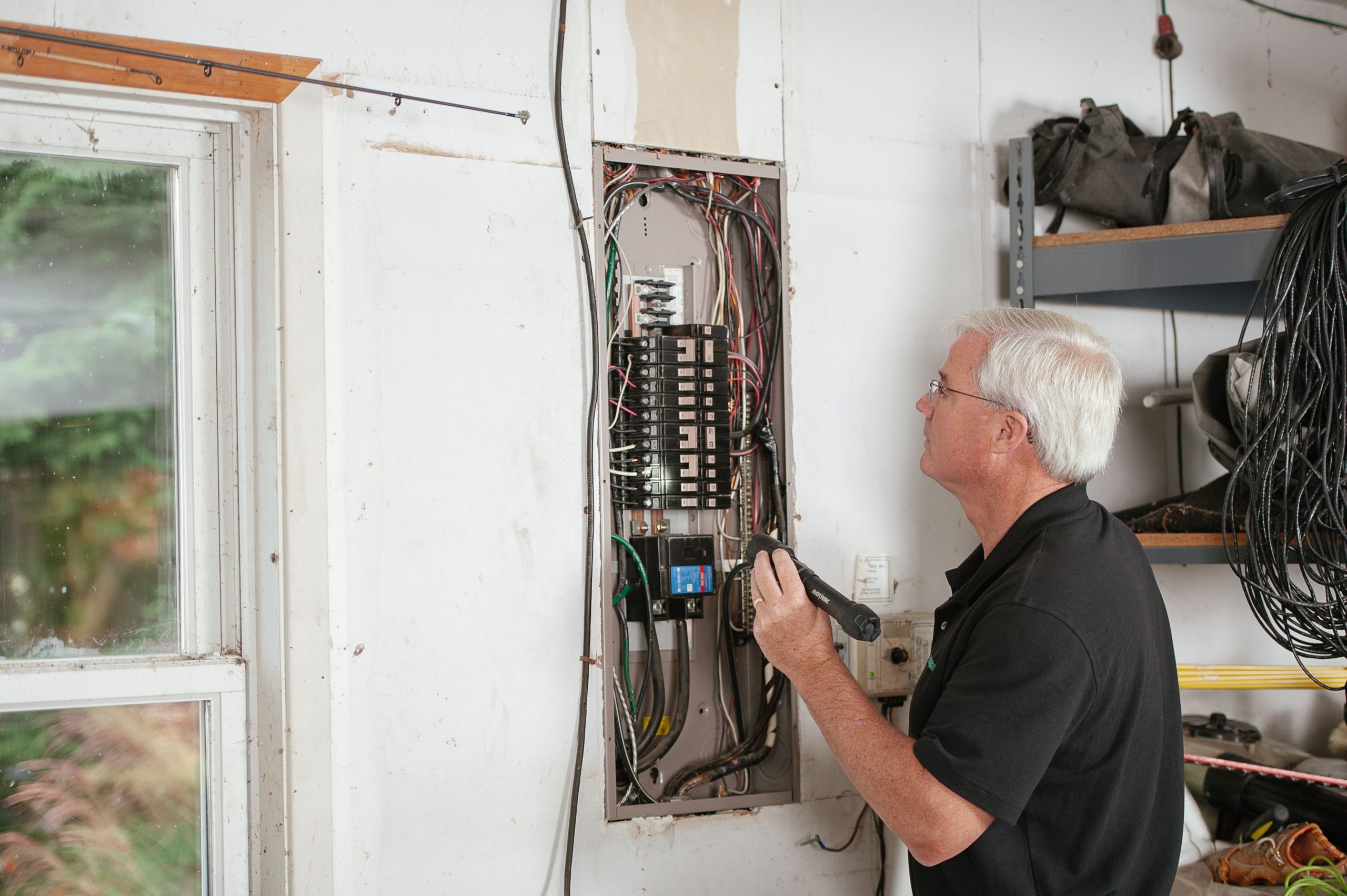
Older homes often contain several generations of electrical work. The kitchen may have newer circuits, the bedrooms may retain original wiring, and an addition may operate through a separate panel.
The construction date tells only part of the story. The Electrical Safety Foundation International recommends electrical inspections particularly for homes at least 40 years old, previously owned homes with a new owner, and homes at least 10 years old that have had major renovations, additions, or major appliances installed. These are reasons to arrange an inspection; the findings determine whether repairs or replacement are appropriate.
Three Possible Outcomes
An electrician may recommend a localized repair, replacement of selected circuits, or comprehensive rewiring.
A localized repair corrects a specific defect, such as a failed receptacle or an unsuitable connection. Selected circuit replacement renews the wiring on identified circuits while retaining other suitable circuits. Whole-house rewiring replaces branch-circuit wiring throughout the home, subject to clearly documented exclusions. Adding a new appliance circuit is a separate improvement and does not, by itself, establish that existing circuits need replacement.
Replacing selected circuits offers a middle ground between replacing one outlet and rewiring the whole house.
What a Useful Recommendation Explains
The recommendation should connect observed conditions to specific work. Ask the electrician to identify the affected components or circuits, explain why repairs would or wouldn’t be sufficient, and describe the basis for retaining other wiring.
An explanation such as “the wiring is old” doesn’t establish a replacement scope. A useful assessment identifies the wiring method, accessible condition, how the affected circuits connect, and inspection limitations. If details remain unknown, ask whether further investigation would help you decide.
When Targeted Electrical Repairs Make Sense
Targeted repairs are appropriate when the electrician can identify the limits of the problem and determine that the retained installation is suitable for continued use.
The key is diagnosis. Replacing a damaged part without investigating why it failed can leave the underlying cause untouched.
A Single Fault With a Confirmed Cause
Consider a receptacle that no longer holds plugs securely. If an electrician identifies a worn device and finds suitable wiring and connections at that location, replacing the receptacle may resolve the immediate problem.
That repair doesn’t establish the condition of every concealed part of the circuit. It corrects the identified defect. A malfunctioning light can also involve the fixture or control rather than wiring throughout the house.
A Problem Confined to One Circuit
Sometimes the appropriate repair involves replacing an entire branch circuit while retaining the rest of the system.
For example, an electrician may identify damage limited to one branch circuit and determine that replacing it addresses the defect. The assessment should establish the circuit’s boundaries and identify any shared components or connections that affect the work. A circuit may serve more than one room, so the replacement scope should follow the wiring arrangement rather than room boundaries.
Sound Wiring With Inconvenient Layouts
A house can need electrical improvements without needing complete rewiring. Too few conveniently located receptacles, awkward switches, or a new appliance requirement may call for selected additions.
The assessment should distinguish inconvenient placement, insufficient circuit capacity, and deteriorated wiring. These are different problems with different remedies. Additional receptacles don’t increase the capacity of the circuit supplying them. Depending on the findings, the solution may involve relocating devices, adding a properly designed circuit, or replacing affected wiring.
When Whole-House Rewiring Becomes the Stronger Option
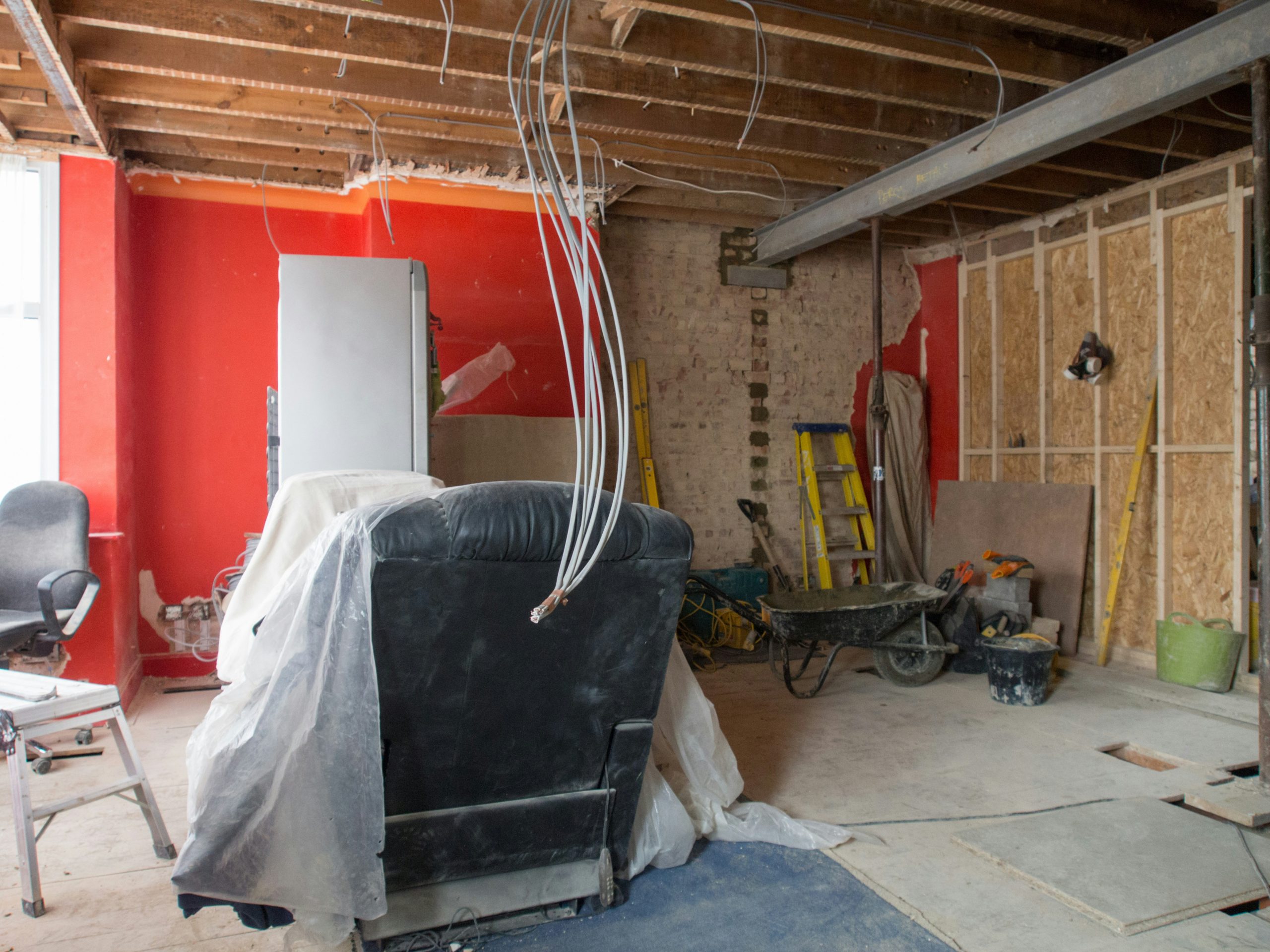
The case for comprehensive replacement grows when defects extend beyond individual devices and affect the wiring system itself.
A checklist can’t determine your home’s wiring needs remotely. The following patterns call for a discussion about whole-home rewiring.
Deterioration Appears Across Multiple Circuits
Widespread cracking, crumbling, or other damage to conductor insulation can undermine the case for isolated repairs. ESFI identifies damaged insulation as an electrical hazard requiring professional attention.
An electrician might find deterioration at several accessible locations, raising concern about similar wiring concealed elsewhere. The electrician needs to check whether usable material remains beyond the damaged sections.
If working on one connection repeatedly exposes additional deterioration, extending replacement may be more appropriate than continuing short repairs.
Unsafe Alterations Are Widespread
Previous renovations can leave unsuitable connections, damaged wiring, or alterations that make circuit relationships difficult to establish. Missing records call for investigation, but they don’t prove the work is defective.
If an electrician identifies similar defects across multiple circuits, the assessment should consider whether correcting individual locations would leave substantial problems elsewhere. Broader replacement may be appropriate when the affected installation requires extensive reconstruction.
Ask the contractor to explain the findings supporting that recommendation and identify any suitable circuits that can remain.
Repairs Keep Revealing More Problems
Repeated service visits deserve review, but the number of repairs doesn’t determine whether the house needs rewiring.
A recurring symptom on one circuit may mean the underlying cause hasn’t been identified or fully corrected. Separate defects affecting several circuits may indicate a broader condition problem. Ask the electrician to review previous findings and explain which pattern applies.
Base the decision on the extent and cause of the defects. Repeated appointments alone don’t justify rewiring.
Extensive Redesign Is Already Necessary
A major renovation can substantially change how electricity moves through the home. Relocated kitchens, revised room layouts, and new equipment may require extensive circuit changes.
When a renovation requires extensive circuit changes, compare retaining suitable existing wiring with replacing it during the same project. A mixture of older and newer wiring does not automatically require replacement; the relevant questions are condition, compatibility, applicable requirements, and the work needed to connect the installation properly.
This is a planning decision as well as a condition assessment. The contractor should compare the work involved in retaining older circuits with replacing them as part of one coordinated project.
Wiring Types That Deserve Closer Attention

Identifying the wiring method helps an electrician evaluate its limitations, likely concerns, and available remedies. Appearance alone rarely answers every question.
Knob-and-Tube Wiring
Knob-and-tube wiring lacks an equipment-grounding conductor and requires assessment of its condition, alterations, and suitability for continued use. An electrician should establish whether it remains active and which circuits it serves. Finding disconnected remnants does not establish a need to rewire the entire house. Replacement boundaries should reflect the active installation and any requirements associated with planned remodeling or insulation work.
Older Solid-Aluminum Branch-Circuit Wiring
Older solid-aluminum branch-circuit wiring requires a specific evaluation of its connections and condition. Complete replacement isn’t always the only option.
The Consumer Product Safety Commission’s aluminum-wiring guidance discusses complete copper replacement, the COPALUM repair method, and AlumiConn as an alternative when COPALUM is unavailable. Each approach has specific requirements. A qualified electrician should explain the proposed method and why it is appropriate for the installation.
A suitable repair program must address all relevant connections, including those without visible symptoms. Ask a contractor qualified in the proposed method to explain its suitability, scope, and limitations for your installation.
Cloth-Covered Wiring
“Cloth wiring” is a broad description rather than a complete diagnosis. Different cable constructions can have fabric coverings, and the condition beneath that covering matters.
An electrician should identify the actual wiring method, insulation condition, grounding arrangement, and compatibility with the planned work.
The recommendation should identify the actual cable construction and any defects found. Fabric covering alone does not establish the replacement scope, and normal operation does not establish the condition of concealed insulation or connections.
Warning Signs That Need Prompt Attention
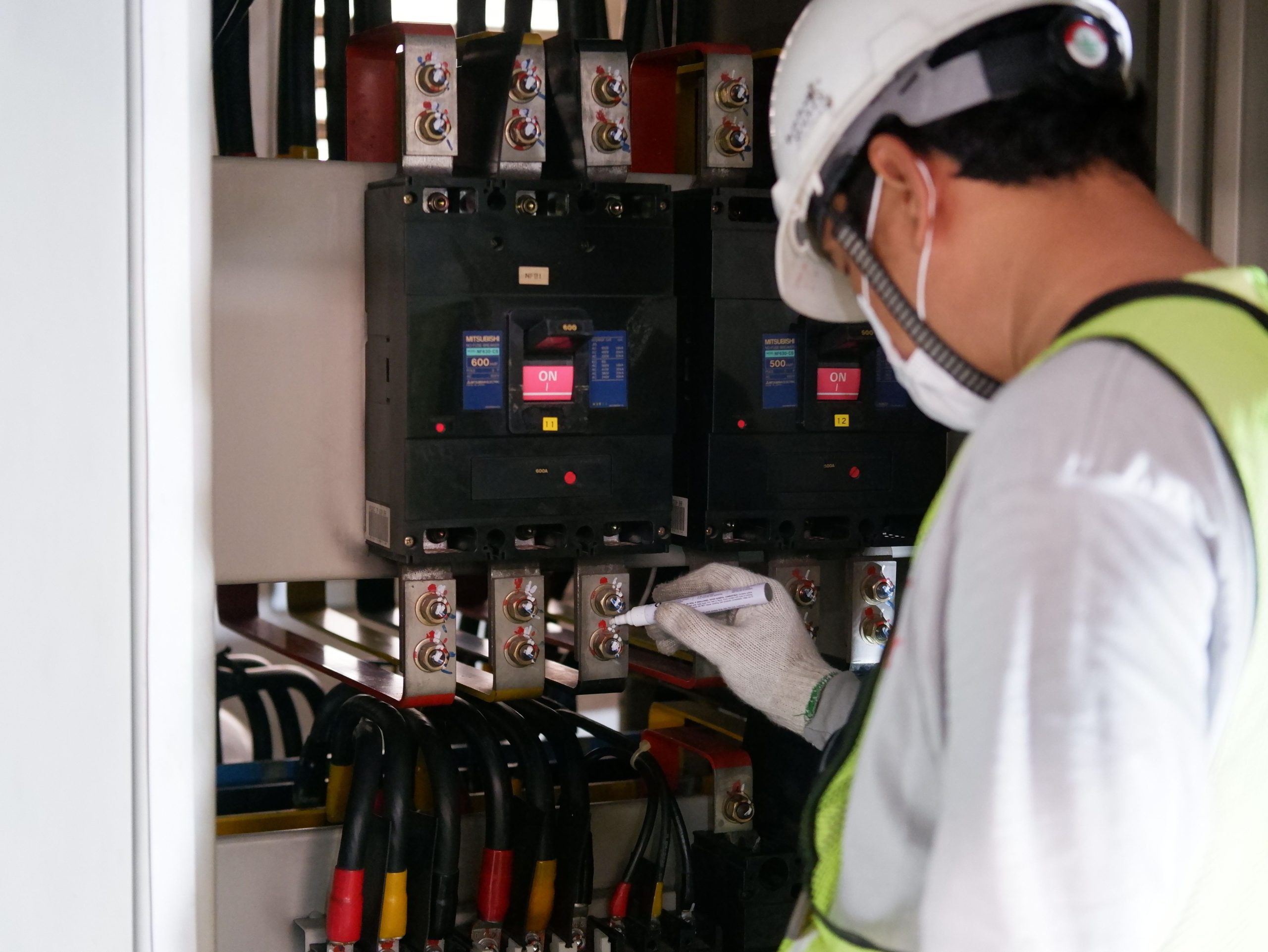
Certain symptoms justify immediate professional evaluation, regardless of whether the eventual solution is a small repair or extensive replacement.
ESFI’s home wiring safety guidance identifies frequent breaker trips, flickering lights, unusual electrical sounds, overheating, heat discoloration, and shocks as potential hazard indicators. Stop using affected equipment or outlets and arrange qualified assistance. If there’s smoke or fire, leave the building and call emergency services.
Flickering Doesn’t Identify the Fault by Itself
A flickering light may involve a lamp, fixture, connection, branch circuit, or service-related problem. The pattern helps guide the investigation.
Symptoms affecting several rooms, or changing with weather or equipment use, are important observations to report. The electrician can determine whether the investigation needs to include branch circuits, service equipment, or utility involvement before recommending replacement work.
Tell the electrician when the symptom occurs, which rooms are affected, and what equipment is operating. Note whether the issue changes with weather or appears across multiple circuits. These observations can guide diagnosis, but don’t open devices, panels, or service equipment to investigate it yourself.
A Tripping Breaker Is a Signal to Investigate
Repeatedly resetting a breaker doesn’t establish that the circuit is safe. Don’t install a larger breaker simply to stop interruptions.
The electrician needs to determine whether the cause involves load, equipment, wiring, connections, or the protective device itself. A breaker may be responding appropriately to a problem.
Repeated trips need diagnosis before the electrician can recommend a repair.
Why New Outlets or a New Panel May Be Insufficient
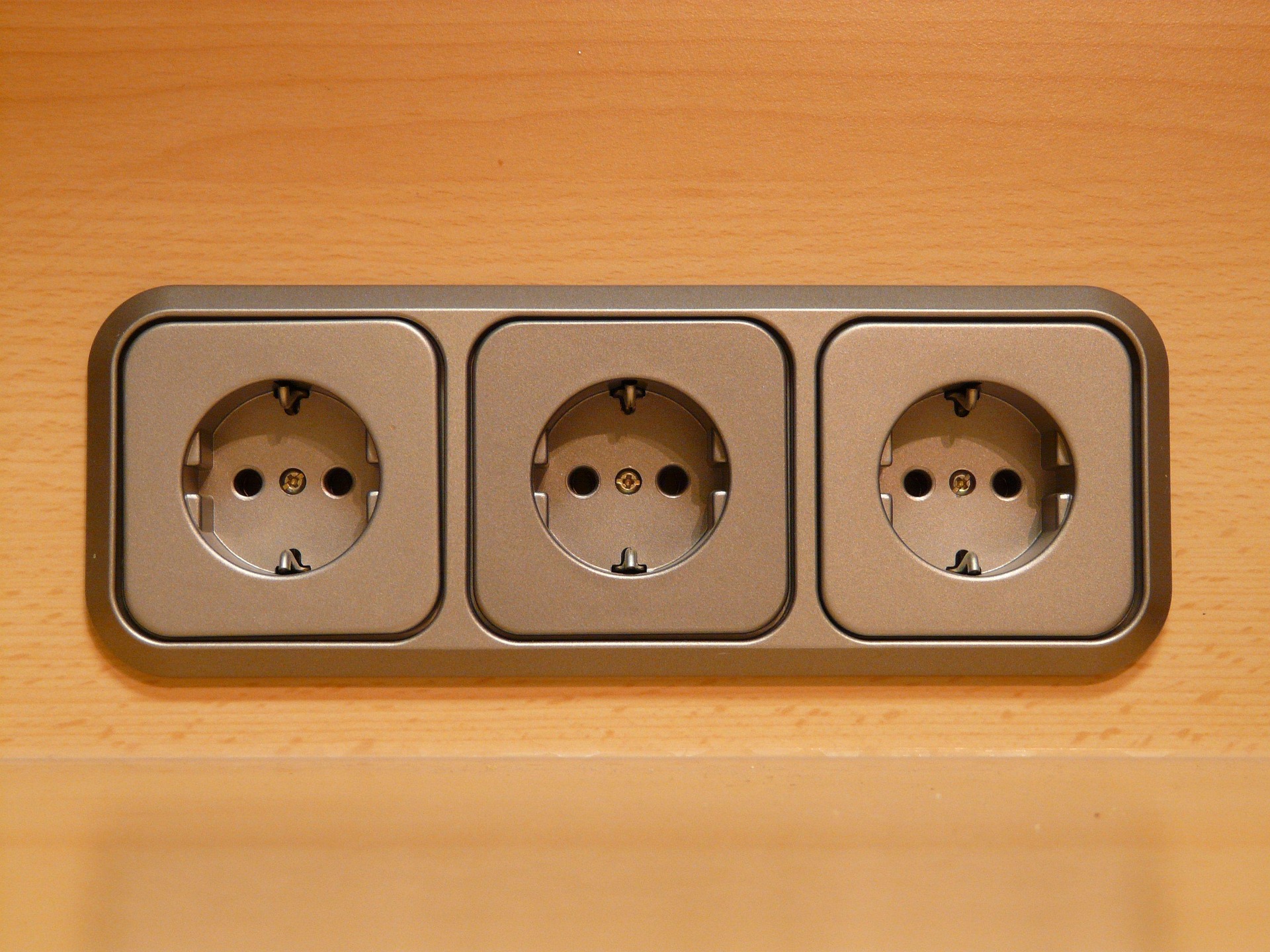
New receptacles and a replacement panel do not establish that concealed branch-circuit wiring has been renewed. Ask what previous electrical work actually included and which circuits remain.
GFCI and AFCI protection address particular hazards; they do not repair damaged conductors or unsuitable connections. Protective-device upgrades should accompany any necessary correction of underlying defects.
Panel condition and electrical demand require separate evaluation. A home may need circuit replacement while retaining suitable service equipment, or panel work while much of its existing wiring remains usable. Each recommendation should identify the problem it addresses.
What a Thorough Electrical Assessment Should Establish

Before choosing targeted repairs or whole-home rewiring, request an assessment of the system as a whole.
A general home inspection can identify concerns, but a contractor evaluating repair options needs enough detail to develop a clearly supported scope of work.
Wiring Condition and Circuit Relationships
The electrician should review accessible wiring, equipment, connections, and circuit arrangements. Appropriate testing and investigation depend on the symptoms and installation.
Circuit tracing can be especially useful in homes with additions or unclear labeling. It helps establish which areas depend on particular wiring and whether proposed repairs affect other rooms.
Request written findings that distinguish observed defects from assumptions about concealed wiring. Where helpful, ask for photographs showing the identified conditions.
The recommendation should explain the proposed boundaries of repair or replacement, the basis for retaining other circuits, and whether further investigation could change the scope. This makes different contractors’ recommendations easier to compare.
Current Electrical Demand and Future Plans
Describe how you use the house and what equipment you expect to add. A home office, workshop, or future electric appliance can influence circuit planning.
Future demand doesn’t automatically justify replacing all existing wiring. It may require dedicated circuits, load management, panel changes, or another focused solution.
The assessment should connect each recommendation to an actual requirement or clearly identified future choice.
Limits of Inspection
Ask which areas and connections were accessible, what testing was performed, and whether circuit tracing remains incomplete. The written findings should distinguish observed defects from concerns that require further investigation.
Concealed conditions may change the recommendation once access becomes available. Ask what additional investigation would clarify the scope, whether it carries a separate charge, and how discoveries during construction will be documented and approved.
Comparing Repairs and Rewiring
The following framework helps organize the discussion. It supports professional assessment rather than replacing it.
Finding | Direction to investigate |
|---|---|
One failed device with suitable surrounding wiring | Targeted repair |
Damage confined to an identifiable circuit | Selected circuit replacement |
Multiple circuits with deteriorated insulation | Broader replacement assessment |
Older wiring serving many areas, with condition or suitability concerns | Evaluate the extent of defects and compare selected replacement with comprehensive rewiring |
Older solid-aluminum branch-circuit wiring | Compare a properly specified comprehensive connection-repair program with copper replacement |
New equipment with otherwise sound wiring | Assess equipment requirements, circuit capacity, and whether a new circuit or other improvement is needed |
Extensive renovation affecting most electrical routes | Compare retaining suitable circuits with coordinated replacement during the renovation |
Use this table to organize questions rather than diagnose the house. More than one condition may apply, and the electrician’s findings should determine the recommended scope.
How Costs Affect the Decision
Compare the cost of resolving the identified defects under each reasonable option: targeted repair, selected circuit replacement, or comprehensive rewiring. Each proposal should explain what it corrects, what remains, and any further work recommended.
Include access openings, permits, testing, and restoration when comparing totals. Where panel or service work is proposed, request a separate explanation of why it is needed. Keep optional lighting, controls, and future equipment preparations distinct from necessary corrections.
Ask whether a smaller project would require repeating access and restoration during work already planned for the home. Consider that additional expense when comparing options, but do not treat hypothetical future repairs as proof that complete rewiring is necessary.
Request a written process for handling concealed conditions and approving additional work. A higher price should correspond to a clearly explained difference in scope or outcome.
What Whole-House Rewiring Involves

Whole-house rewiring generally involves assessing the existing installation, planning circuits and device locations, obtaining required permits, installing wiring and equipment, completing inspections and testing, and restoring disturbed surfaces.
Before approving the project, confirm which circuits will be replaced, which components will remain, and whether panel work and restoration are included. Required inspections must occur before affected work is concealed.
At handover, request a circuit directory, warranty details, applicable permit closeout records, and an explanation of retained wiring. These records should make the completed scope clear.
Local Planning for Walnut Creek Homeowners
Local requirements influence permitting, design, inspections, and project timing. Confirm the authority responsible for your actual address, especially where a Walnut Creek mailing address may fall outside city boundaries.
Walnut Creek’s building code guidance states that permit applications made on or after January 1, 2026, must meet its listed 2025 codes, including the California Electrical Code and applicable local requirements. Ask the contractor to confirm which requirements apply to the proposed repair or replacement scope.
Before signing, establish who obtains permits and coordinates inspections. If the project includes service equipment changes, confirm who handles utility coordination. Include these steps in the project plan alongside installation and restoration.
Preparing Your Household for the Work
Disruption belongs in the comparison between repair and replacement. Ask how each proposed option affects power availability, access to rooms, surface openings, and restoration.
Tell the contractor about essential powered equipment, accessibility needs, remote work, children, and pets. If an option would make occupancy impractical, include temporary accommodation in its total cost. Remaining at home requires a property-specific plan for essential services and separation from construction.
Final Remarks
Choose targeted repairs when the defect has a reliable boundary and the retained installation is suitable. Consider selected circuit replacement when problems extend beyond individual devices but remain limited to identifiable circuits. Discuss whole-house rewiring when documented conditions or extensive planned alterations justify broader replacement.
Before approving the work, request written findings connecting the recommendation to your home’s condition. The proposal should explain what each option corrects, what remains, and which uncertainties could affect the final scope.
Frequently Asked Questions
1. Does Every Home Over 50 Years Old Need Whole-House Rewiring?
No. Age helps establish the need for evaluation, but it doesn’t determine the replacement scope. An older home may already have substantial electrical upgrades, while another may retain deteriorated original wiring. The decision should reflect conductor condition, connections, grounding, circuit arrangements, and intended use. Ask the electrician to identify specific findings rather than recommending replacement based only on the construction date.
2. Can I Rewire My House in Stages?
Sometimes, when the electrician can define appropriate phases and determine that retained circuits are suitable for continued use. Request an overall plan before the first phase begins. It should identify conditions requiring prompt correction, the work completed during each phase, and any repeated access or restoration. A phased schedule shouldn’t be used to defer an identified hazard without an appropriate corrective plan.
3. Does the Absence of Electrical Problems Mean My Wiring Is Safe?
No. A system can power lights and appliances while containing defects that haven’t produced obvious symptoms. Visible performance alone doesn’t establish insulation condition, connection quality, or grounding. If the home’s electrical history is uncertain, request an assessment, particularly before significant renovations or equipment additions. The electrician can explain what was inspected and whether further investigation is needed.
4. Will a New Electrical Panel Eliminate the Need for Rewiring?
A panel replacement addresses the distribution equipment included in that project. It doesn’t renew concealed branch-circuit conductors or correct every connection throughout the house. Some properties need both improvements, while others need only one. Request separate explanations for panel condition, electrical demand, and wiring condition. That helps you understand why each part of the proposed work is needed.
5. Does Missing Permit History Mean the House Needs Rewiring?
Missing records create uncertainty about previous work, but they do not establish that every circuit is defective. Give the electrician any available inspection reports, invoices, and renovation information. Ask which conditions can be verified and whether further investigation is needed. The replacement recommendation should rest on findings about the installation and applicable requirements.
6. Should I Get Another Opinion Before Approving Complete Rewiring?
A second assessment can help when the project is extensive or the original explanation lacks detail. Share the same symptoms, records, and future plans with each contractor. Compare their findings and proposed boundaries, not just prices. If recommendations differ, ask what observations support retaining or replacing particular circuits. Differences are easier to resolve when each contractor provides a documented technical explanation.
7. What Should I Ask When Scheduling a Rewiring Assessment?
Describe your symptoms, previous repairs, and planned renovations or equipment changes. Ask what the assessment includes, what it excludes, and whether you’ll receive written findings. Request an explanation of repair, selected replacement, and comprehensive rewiring options where appropriate. You should leave understanding the recommended work, its basis, and any additional investigation needed before a firm scope can be established.